Hypertrophic cardiomyopathy is the most common heart disease of the cat. Normally, the left hand side of the heart becomes enlarged and the heart (wall) becomes stiff. This stops the heart from filling up with blood and pumping it around the body efficiently. It can lead to congestive heart failure and systemic thromoemboli (blood clots which can get stuck in the blood vessels around the body causing huge problems). The average age of affected cats is 6 years.
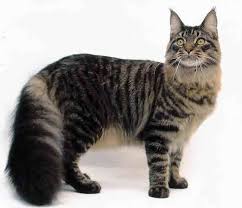
Hypertrophic cardiomyopathy (HCM) is seen in both male and female cats. It tends to be more serious in male cats and also appears at a younger age. Unfortunately, this is a familial/heritable disease (bad genes!) and the cats can look perfectly normal but then suddenly die. Maine Coon, Ragdolls and Norwegian Forest cats appear to be predisposed.
Presently, the main screening test for predisposed cats is echocardiography (ultrasound of the heart). I would recommend it for breeders but probably not for pet owners (as not going to change treatment if no signs).
There is a lot of debate amongst vets concerning whether we should use drugs before the cats show any signs of heart failure. Drugs used include ACE inhibitors, Beta blockers and calcium channel blockers. None of them have been proven to have much benefit in improving the survival time or slowing the progression. In humans, beta blockers are used in HCM to relieve symptoms (especially during stress and exercise) and they may have some use in preventing a disastrous event during extreme stress e.g. cat being chased.
Before the onset of heart failure, I'd probably say give nothing. Some cats can have awful looking hearts and can stay stable for some time and progress slowly. Others though can have relatively normal looking hearts and deteriorate very rapidly. It ends up pretty much relying on the luck of the dice.
Once the cat begins to go into congestive heart failure (CHF) - ECGs (to measure the electrical activity of the heart - heart rhythm), echocardiography (ultrasound), x-rays of the heart and blood pressure measurements may need to be performed. Signs of CHF include coughing, difficult/fast open mouth breathing, weakness, lethargy - drugs like ACE inhibitors and diuretics will need to be used.


 Posts
Posts


